

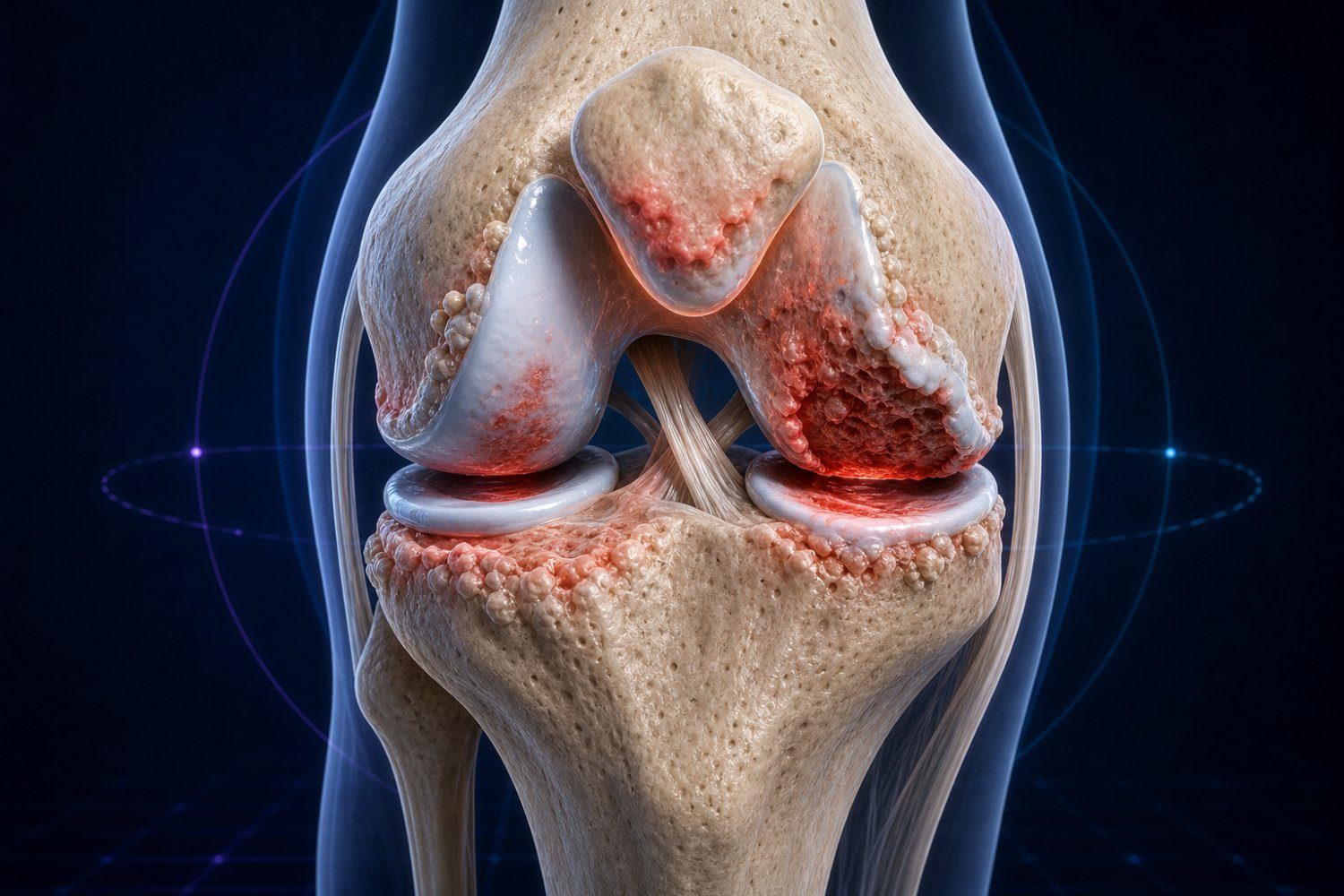
Knee pain is most often caused by osteoarthritis — wear of the smooth cartilage that lines the joint — but not always. This page explains the symptoms people describe, how the cause is diagnosed, and the full ladder of options, from activity and physiotherapy through to a personalised replacement. The key message: you usually have more than two choices.
Symptoms people describe
Knee osteoarthritis tends to come on gradually. People describe pain on stairs or after walking, an ache at rest or at night, morning stiffness, swelling, grinding or a feeling of "bone on bone".
It can affect sleep, work and the activities you value — and it often builds slowly enough that you adapt without realising how much you have given up.
What causes it
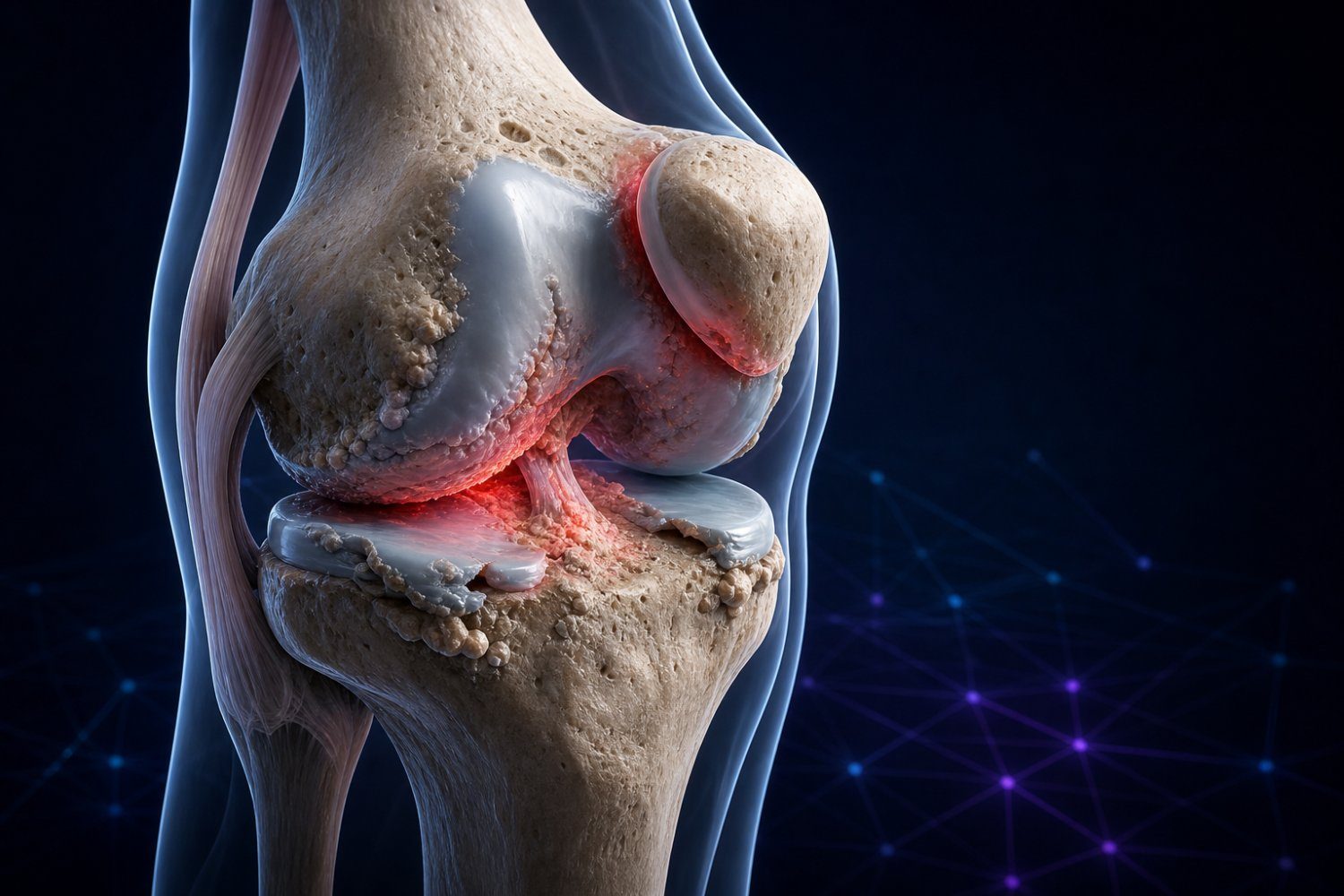
The most common cause is osteoarthritis — the gradual wear of the cartilage that lines the joint. Previous injury, the natural alignment of your leg and carrying more weight can all contribute.
Pain is not always from the main joint surface, though. It can come from the kneecap, or from one compartment of the knee while the rest is healthy — which is exactly why the cause matters.
How it is diagnosed
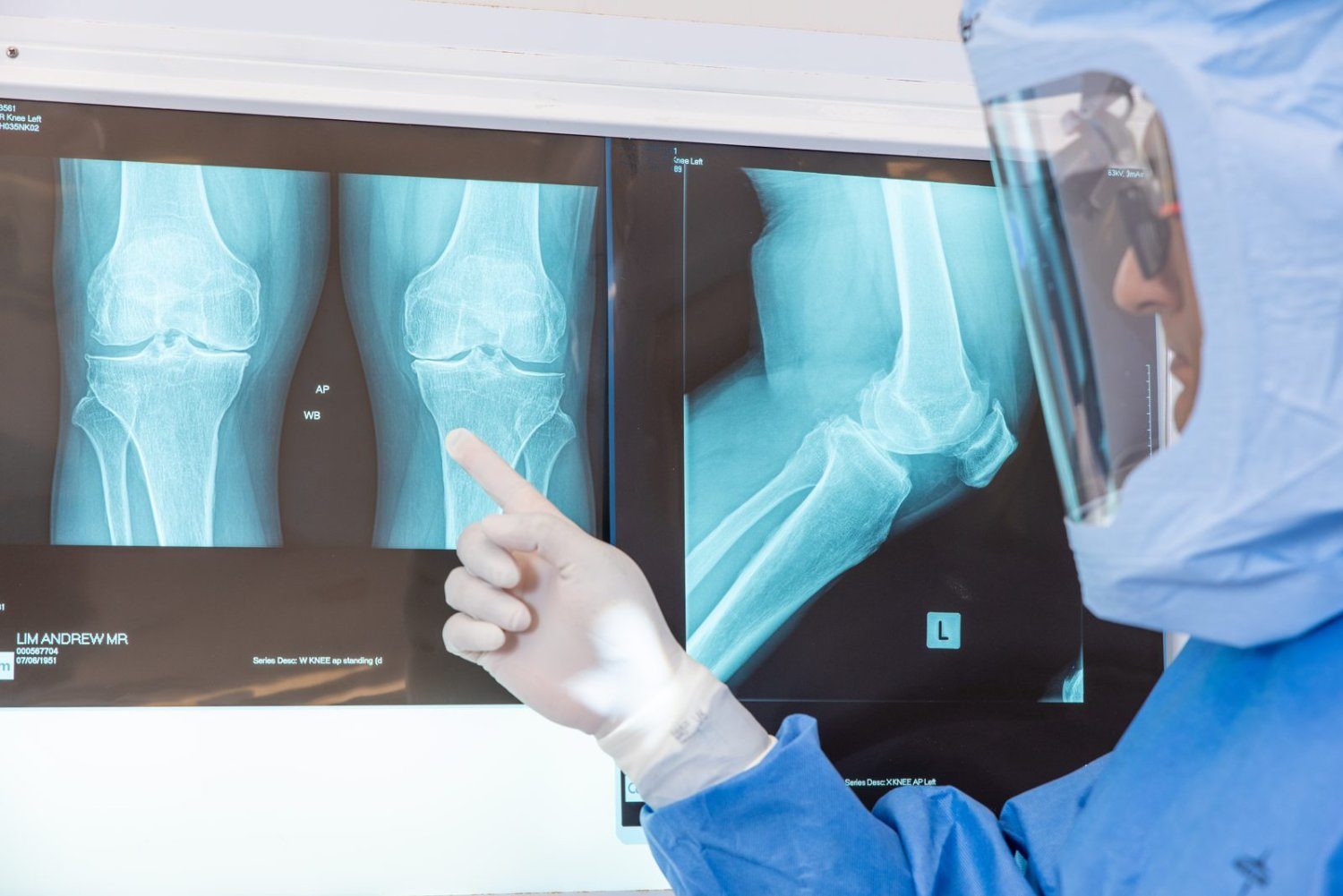
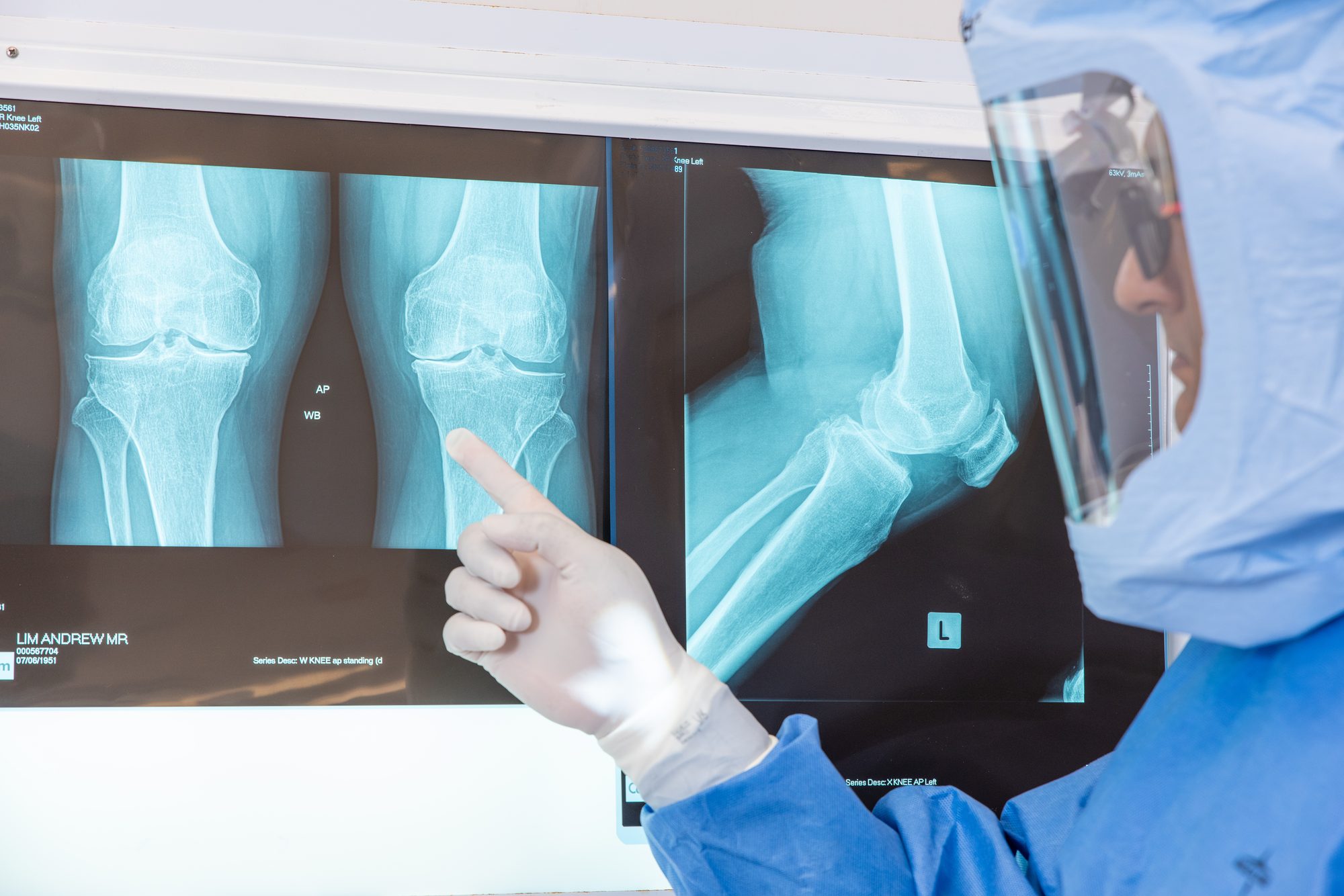
Diagnosis starts with your history and an examination, usually with a standing (weight-bearing) X-ray that shows how the joint behaves under load. This helps identify which part of the knee is affected and how much.
Knowing precisely where the wear is matters, because it opens up options such as a partial replacement that a single X-ray viewed quickly can miss.
When it is worth seeing a surgeon
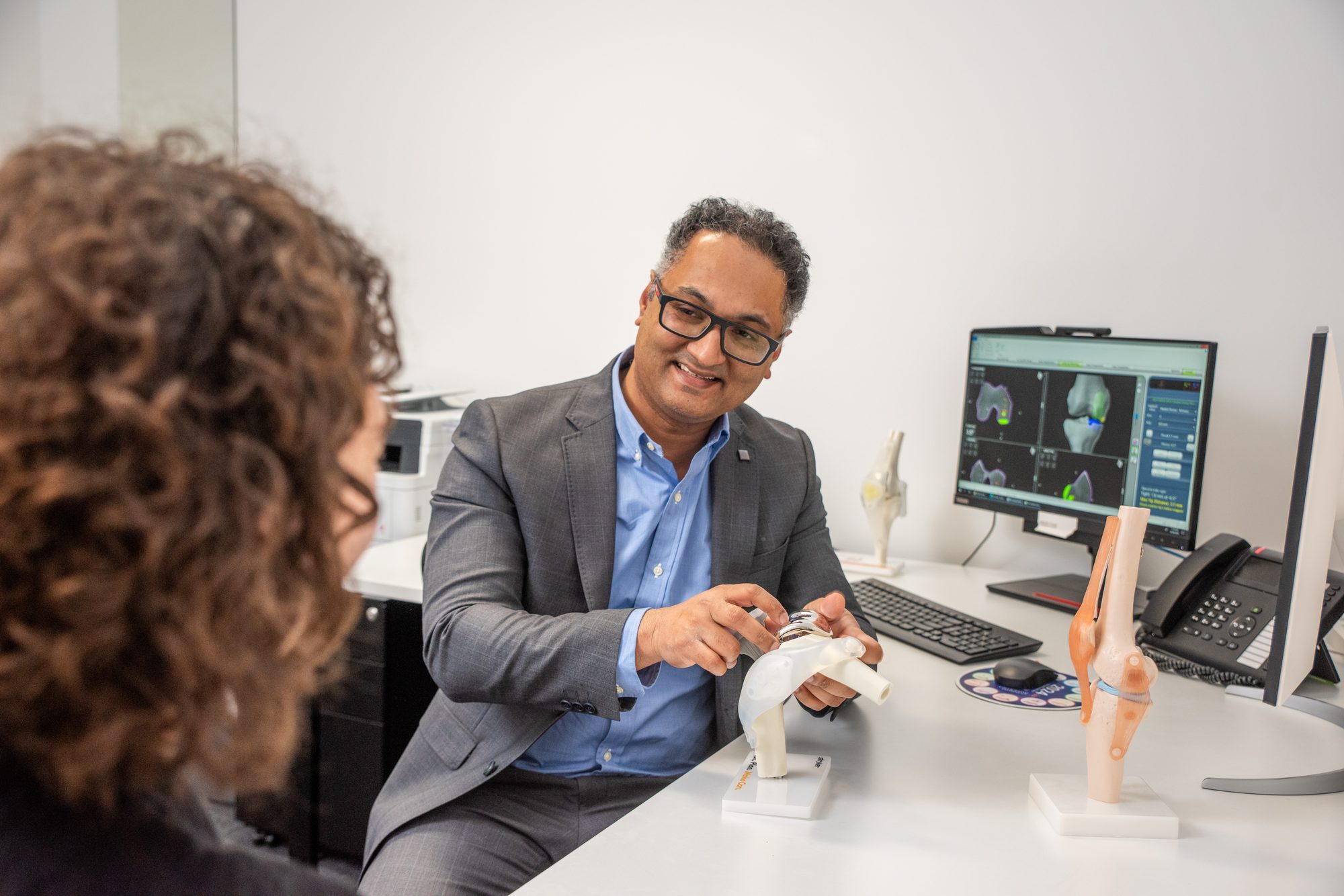
It is reasonable to seek an opinion when knee pain limits your walking, disturbs your sleep, or no longer settles with the simple measures you have tried. Seeing a surgeon does not commit you to surgery — it is about understanding your options.
You have more than two options
Knee care is a ladder, not a switch. Dr Yas starts with the least-invasive step that suits your knee.
Key takeaways
Common questions
Request a consultation
Send a few details and the rooms will be in touch within one business day.
Request a consultation
Send a few details and the rooms will respond. A GP referral helps but is not required to enquire.
"*" indicates required fields
More on knee conditions & treatments
Explore the four pillars
Want surgery designed for your anatomy, not the average?
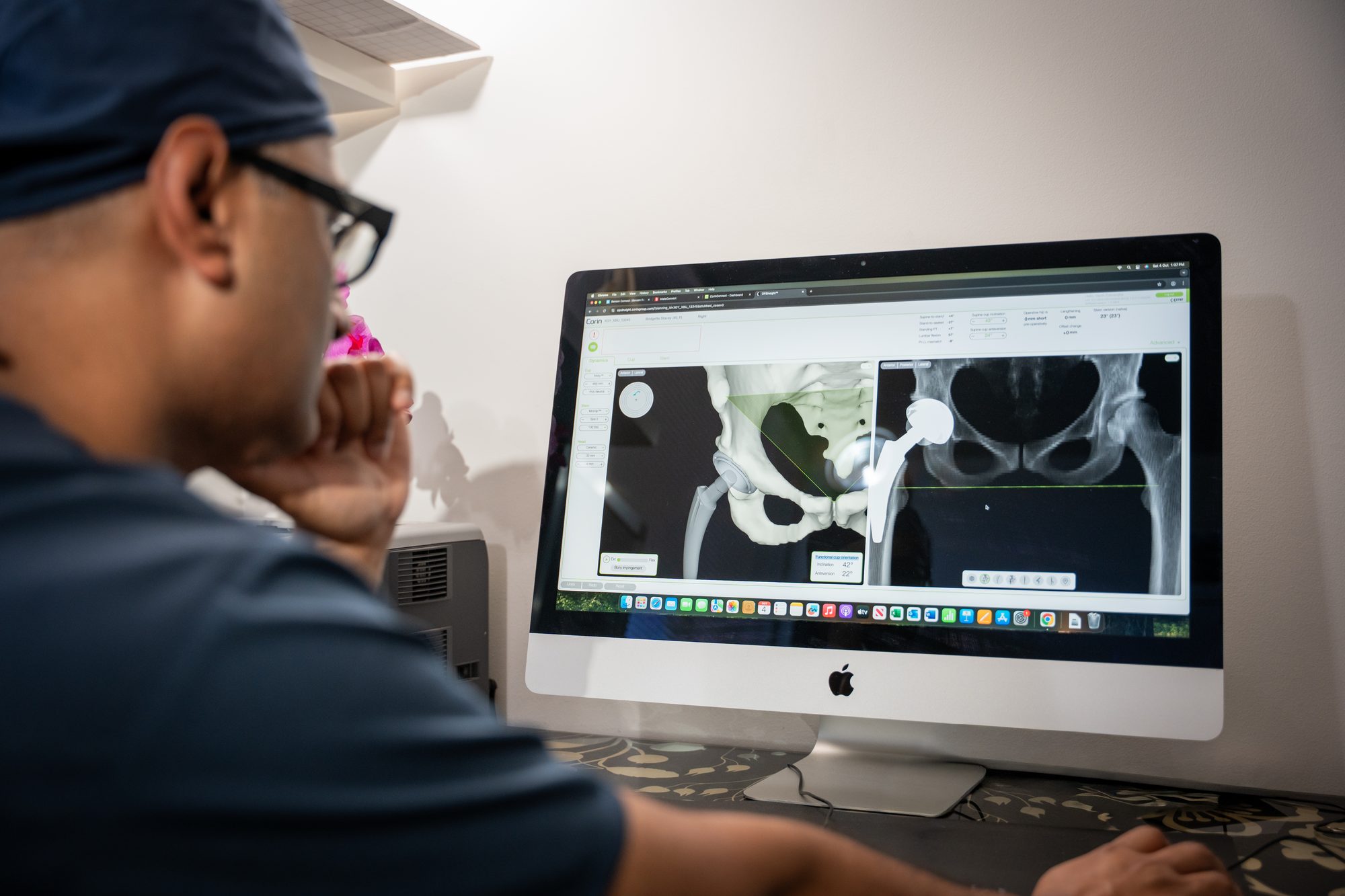
Joint-preserving partial replacement where suitable, personalised total replacement with kinematic alignment and robotic precision, and direct anterior hip surgery — matched to your joint, not a standard mould.
Had a replacement that still doesn’t feel right?
When a replacement hasn’t worked out there is often a specific reason — and a specific solution. An independent review: examination, imaging reviewed, and a written summary of your options.
Been told you’re too young, too heavy, or to just wait?
Dr Yas reviews each patient case by case and recommends the operation that fits the joint — not the other way around. Higher-BMI patients considered on their individual merits, not declined on weight alone.
Been told nothing more can be done?
Specialist revision hip & knee surgery, partial-to-total conversion with modern bone-preserving technique, and complex reconstruction after trauma — including limb-preserving surgery — considered case-by-case.
Latest insights from Dr Yas
Plain-language articles on modern hip & knee surgery — written to help you make an informed decision.


How bad is your knee, really?
Answer 12 quick questions based on the assessment developed at the University of Oxford — used by surgeons and joint registries worldwide — and see your score out of 48 instantly.