
Ortho PrecisionORTHOPRECISION
Kinematic Alignment · Knee Philosophy

A knee replacement that moves the way yours was meant to

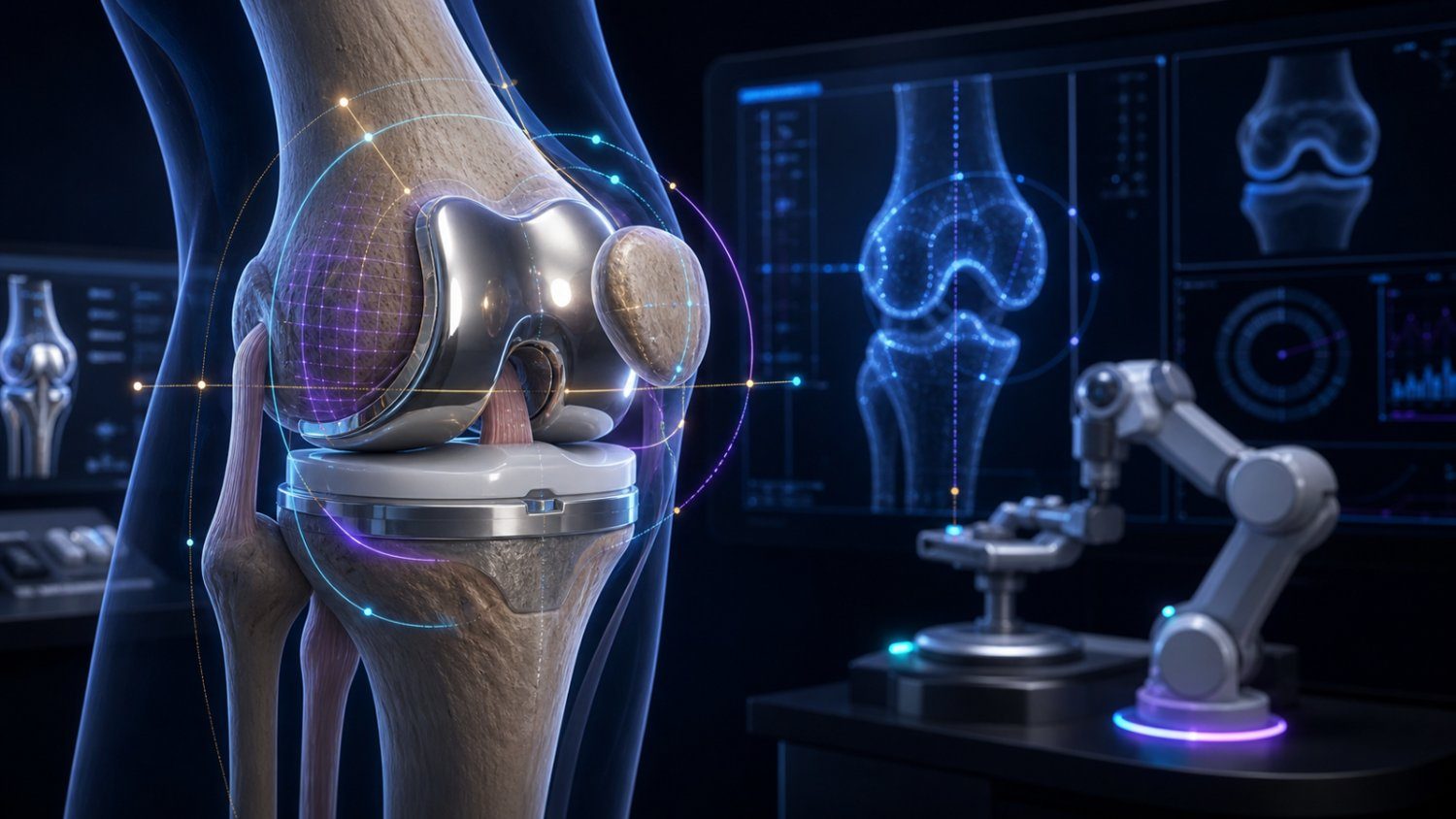
Kinematic alignment is Dr Yas’ whole philosophy for knee replacement: rather than forcing every knee to a standard straight line, the implant is aligned to your own anatomy — the knee you had before arthritis — and executed precisely with robotic assistance.

  • Aligned to your pre-arthritic anatomy, not a generic straight leg
  • Works in harmony with your own ligaments and muscles
  • Delivered precisely — and refined to your fit — with robotics
A knee replacement that moves the way yours was meant to
FRACS · FAOrthA · MSurgSpecialist orthopaedic surgeon
Australian trainedAdelaide-based specialist
Robotic & personalised3D pre-operative planning
5 Adelaide hospitalsConsulting & operating
Free 2-minute knee quiz

Do I need a knee replacement?

Take Dr Yas’ five-point self-check to see whether it is worth having your knee assessed — anonymous, no referral needed, and your result links straight to the next step.

Take the knee quiz General information, not a diagnosis
In short

A common worry about knee replacement is that the new knee will feel stiff or artificial. Kinematic alignment is the approach Dr Yas uses to address that: instead of aligning every knee to a generic straight-leg model, the implant is positioned to restore your own natural joint lines — the way your knee was built before arthritis — so it can work in harmony with your existing ligaments. Dr Yas has subspecialist training to deliver kinematic alignment in its true form, and his particular approach is to use robotic planning and execution to carry that personalised plan out precisely, refining the fit to each individual knee. This page explains what kinematic alignment is, how it differs from the traditional approach, and how Dr Yas applies it.

Reviewed by Dr Yas Edirisinghe · June 2026
01

What kinematic alignment is

Your knee was built to move in a particular way, guided by your own ligaments and the natural shape of the joint. Arthritis wears that joint down, but the underlying blueprint — the knee you had before arthritis — is still there.

Kinematic alignment plans the replacement around that blueprint. Dr Yas prepares the bone to match the anatomy you had before arthritis, so the implant sits in harmony with your own muscles and ligaments rather than asking them to adapt to a standard position.

What kinematic alignment is
How it differs from the traditional approach
02

How it differs from the traditional approach

Traditional (mechanical) alignment aims to place every knee into a generic straight-leg position — a one-size model that does not account for the natural variation between individuals. It is effective at relieving pain, but for some people the knee can feel stiff or simply "not quite their own".

This matters because studies have reported that up to around one in five people are not fully satisfied after a traditional knee replacement.¹ Kinematic alignment aims to narrow that gap by restoring your individual anatomy rather than a standard line.

03

Dr Yas’ own touch: kinematic alignment, refined with robotics

Two things set Dr Yas’ approach apart. First, he has subspecialist training to deliver kinematic alignment in its true, intended form — not a partial version of it.

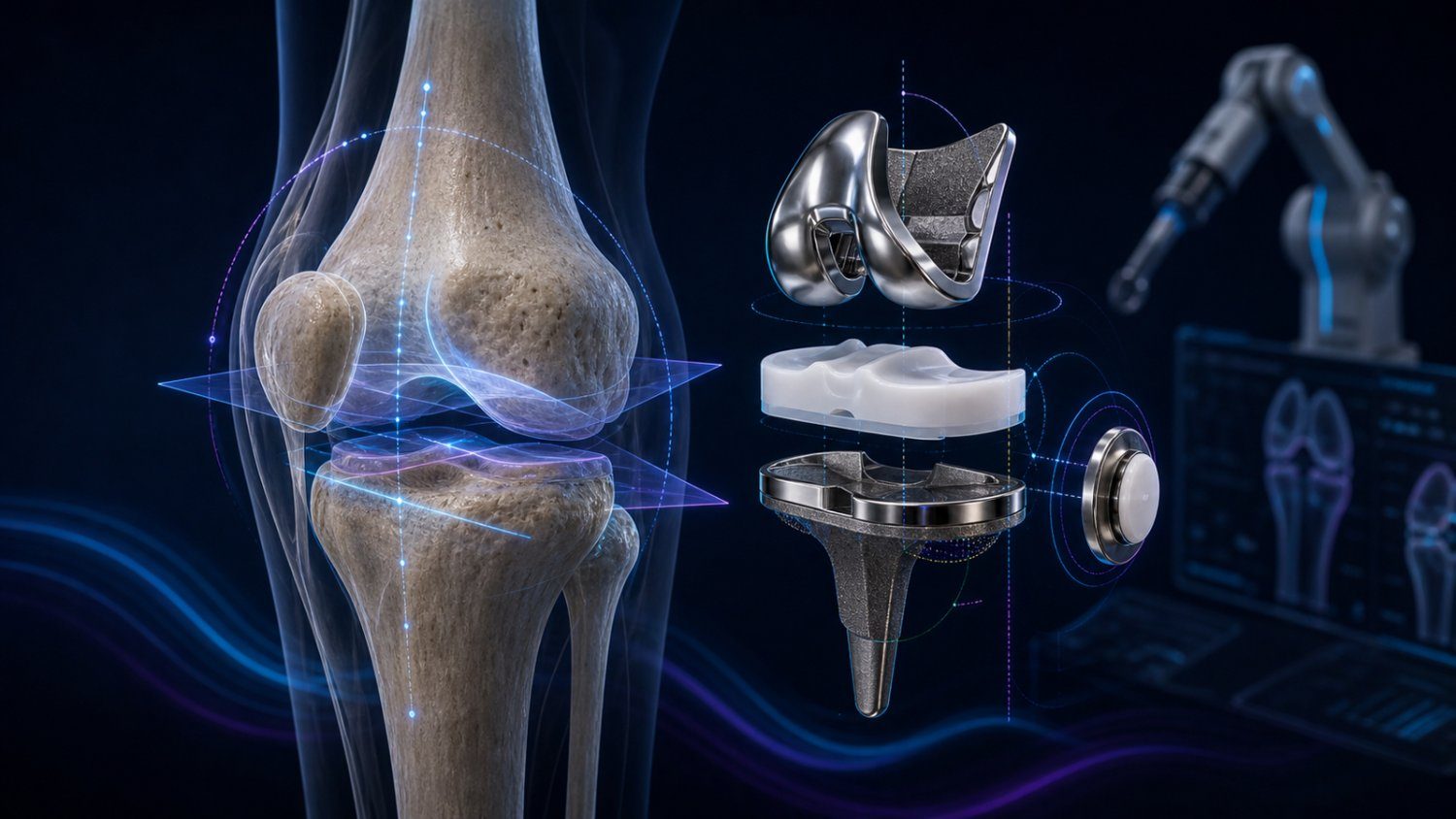
Second, he uses robotic planning and execution as the tool to carry that personalised plan out with precision. The robotic system helps him measure your individual anatomy, plan the implant position to your own joint lines, and place it accurately — refining the fit to each knee in a way that aims for an even more natural result. The technology serves the philosophy; it does not replace the judgement behind it.

Crucially, Dr Yas plans the fit to more than just your bone — he also accounts for your extensor mechanism, the kneecap and tendons that straighten your leg, so the implant matches the way your knee actually moves. There is more on this in “What to expect” below.

Read about robotic & personalised knee replacement
Dr Yas’ own touch: kinematic alignment, refined with robotics
04

Who it is for

Kinematic alignment is relevant to most people considering a knee replacement, and Dr Yas applies its principles to partial replacements as well as total ones. It can be particularly meaningful for people who want their knee to feel as natural as possible, and for those who have been disappointed by how a previous replacement feels.

As with any surgery, it is considered only when a replacement is genuinely the right step, and non-surgical options are discussed first.

Unhappy after a previous replacement? Get a second opinion
What to expect
05

What to expect

It starts before the day of surgery. A scan of your knee is taken in advance, and Dr Yas uses it to study your individual anatomy and plan exactly how the implant should sit — so the operation is mapped out before the first incision.

Here is a detail that sets Dr Yas’ planning apart: he fits the implant not only to your bone, but also to your extensor mechanism — the kneecap, tendons and muscles at the front that straighten your leg. Many kinematic plans align to the bone alone. Dr Yas plans for how your kneecap actually tracks and how the muscles pull, because a knee matched to the bone but not to the way it moves can still feel less than natural. Planning for both is central to how he aims to give you a knee that feels like your own.

In a consultation Dr Yas reviews this plan with you, examines your knee, and explains whether kinematic alignment suits you and what it would involve. Outcomes vary between individuals, so these are aims rather than guarantees — and Dr Yas will always be honest about what is realistic for your knee.

Why it matters

Designed for a more natural-feeling knee

Patient satisfaction is the reason kinematic alignment exists. Drawing on published literature rather than any personal performance claim:

~1 in 5
report dissatisfaction after traditional knee replacement
Published literature¹
Your own
anatomy guides the alignment, not a generic line
Kinematic principle
Designed for a more natural-feeling knee
In summary

Key takeaways

Kinematic alignment restores your own pre-arthritic anatomy, not a generic straight leg.
A pre-operative scan is used to study your anatomy and plan the implant before surgery.
Dr Yas plans the fit to your bone AND your extensor mechanism (how your kneecap tracks) — not bone alone.
It aims for a knee that works in harmony with your own ligaments and feels more natural.
His own touch is using robotics to execute and refine that personalised plan precisely.
Questions

Common questions

Mechanical alignment positions every knee to a generic straight-leg model. Kinematic alignment positions the implant to your own pre-arthritic anatomy, so it works with your existing ligaments. Dr Yas uses the kinematic approach and will explain how it applies to your knee.
Get started

Request a consultation

Send a few details and the rooms will be in touch within one business day.

Individual assessmentHistory, examination and your imaging reviewed with you.
A clear planThe options for your specific knee, explained in plain language.
No obligationA GP referral helps but is not required to enquire.

Request a consultation

Send a few details and the rooms will respond. A GP referral helps but is not required to enquire.

"*" indicates required fields

This field is for validation purposes and should be left unchanged.
Name*
The Four Pillars

Explore the four pillars

Pillar 01 · Personalised & Robotic Surgery

Want surgery designed for your anatomy, not the average?

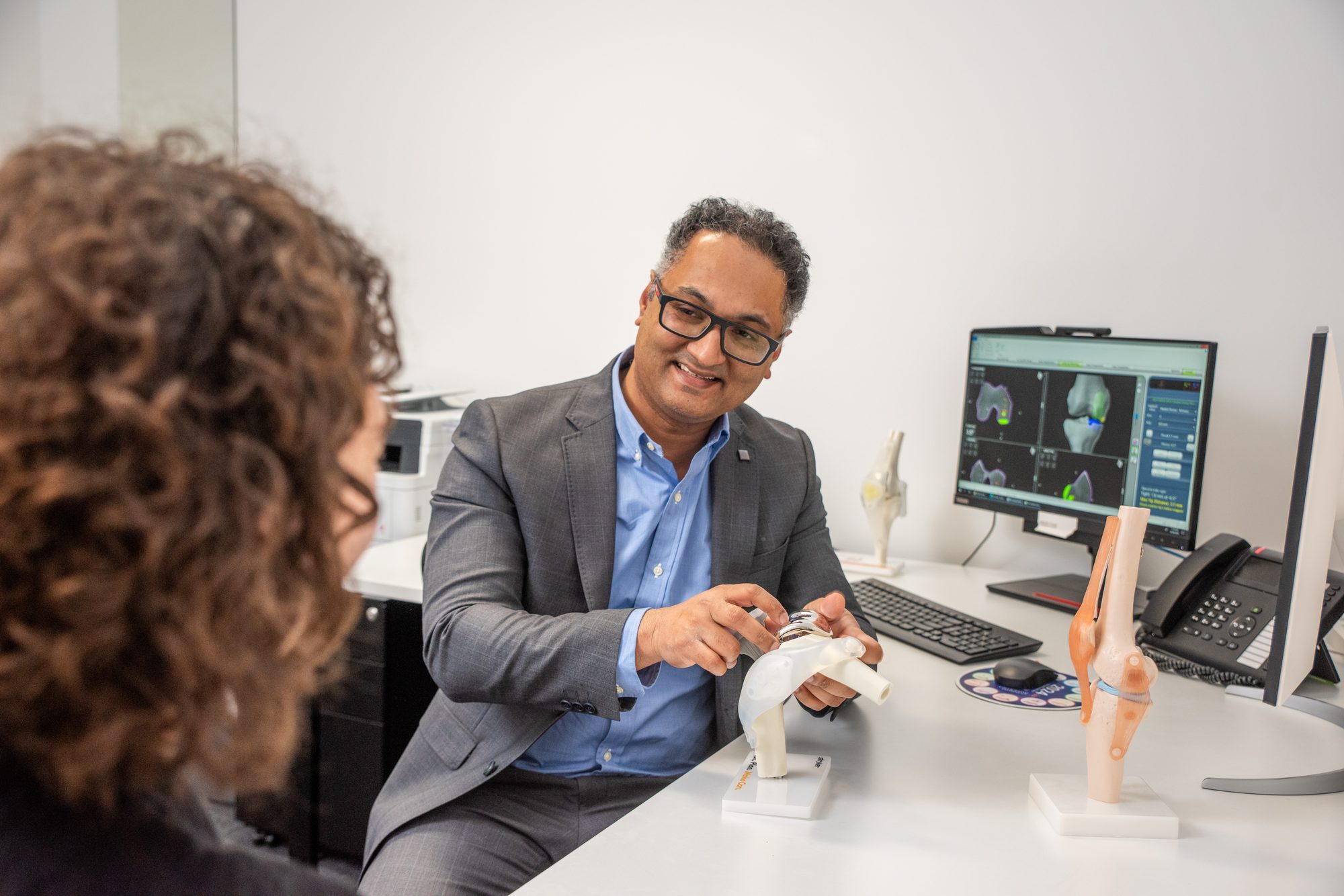
Joint-preserving partial replacement where suitable, personalised total replacement with kinematic alignment and robotic precision, and direct anterior hip surgery — matched to your joint, not a standard mould.
Personalised & Robotic Surgery
Pillar 02 · Second Opinion

Had a replacement that still doesn’t feel right?

When a replacement hasn’t worked out there is often a specific reason — and a specific solution. An independent review: examination, imaging reviewed, and a written summary of your options.
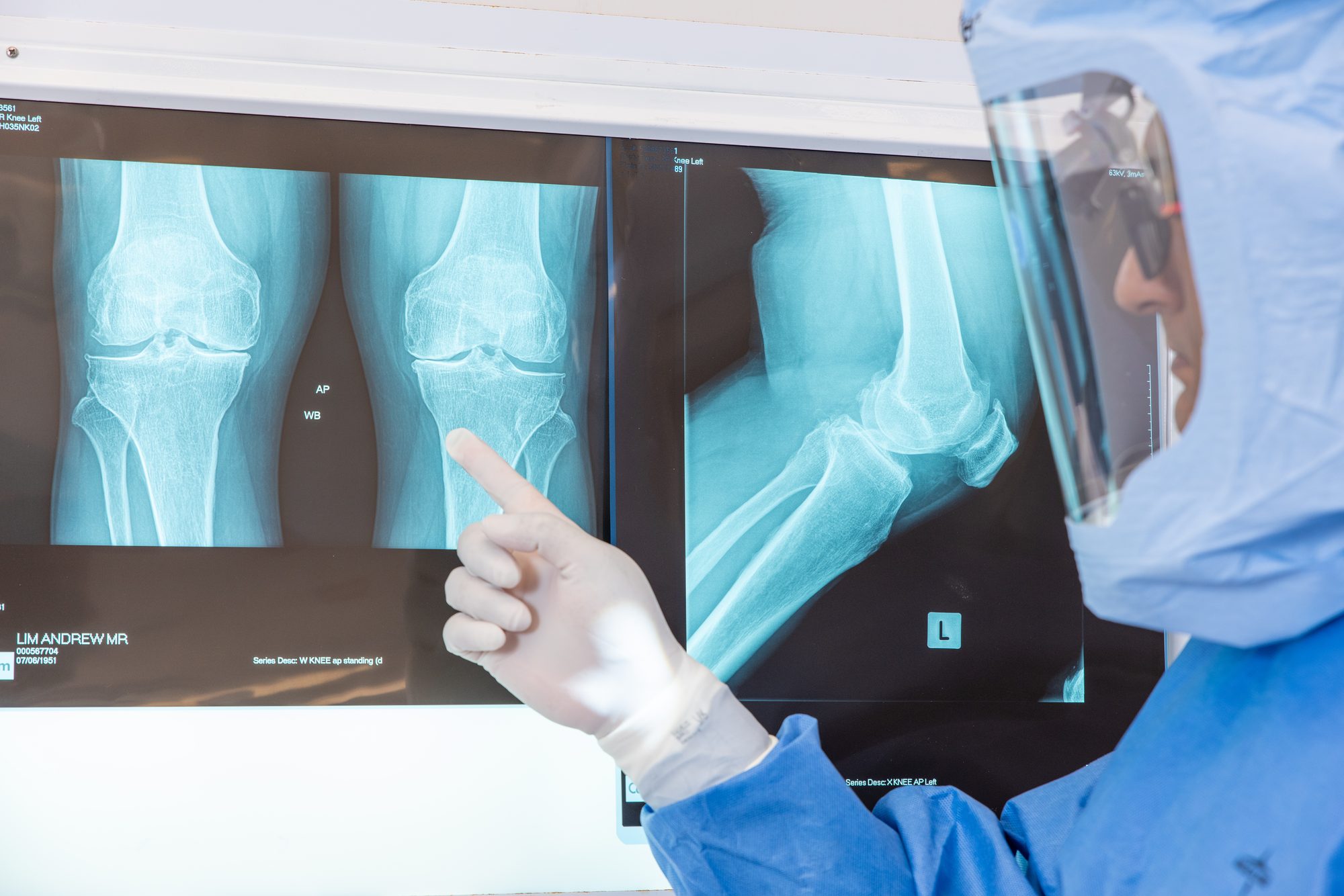
Second Opinion
Pillar 03 · Individual Assessment

Been told you’re too young, too heavy, or to just wait?

Dr Yas reviews each patient case by case and recommends the operation that fits the joint — not the other way around. Higher-BMI patients considered on their individual merits, not declined on weight alone.
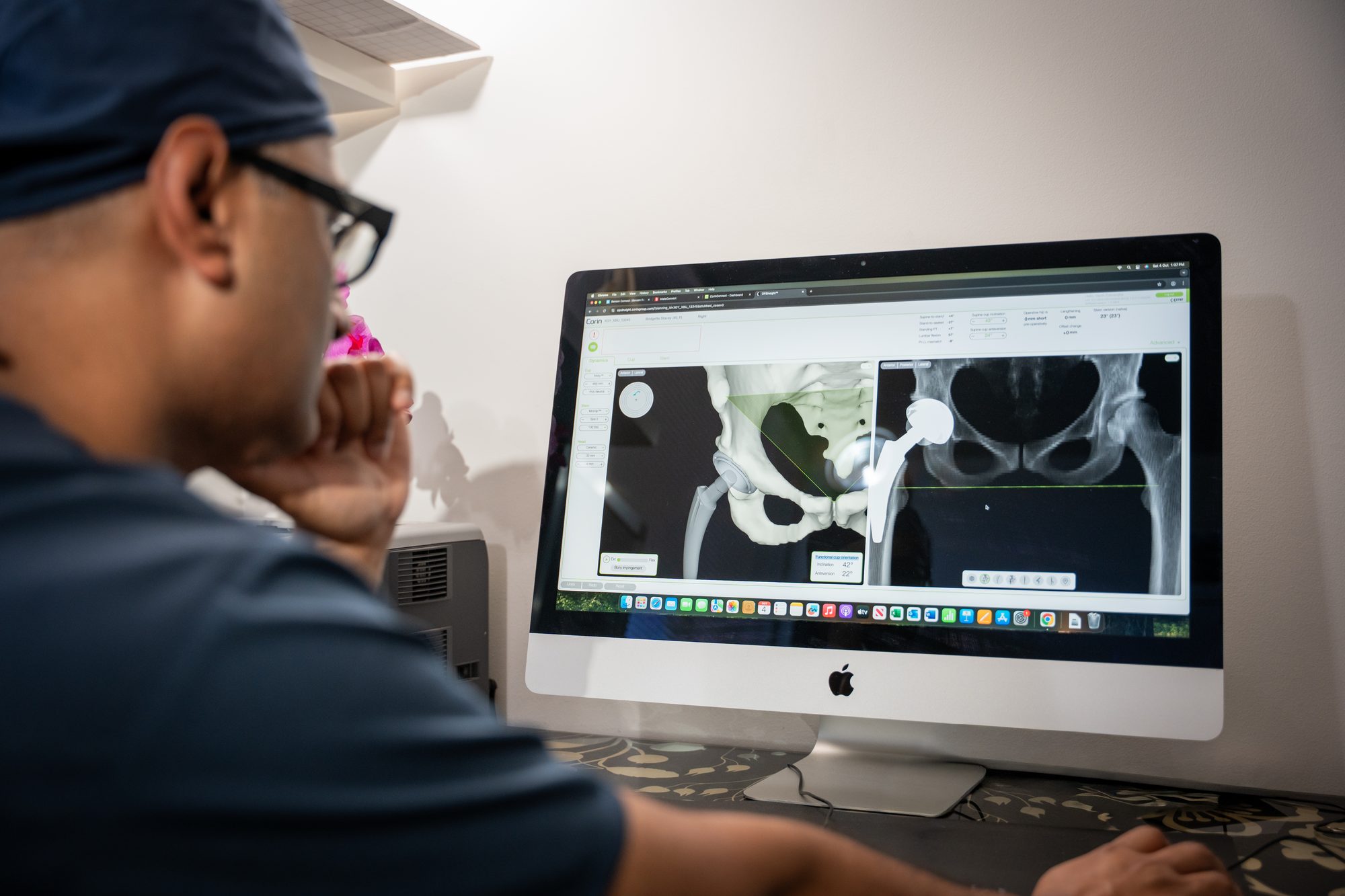
Individual Assessment
Pillar 04 · Revision & Reconstruction

Been told nothing more can be done?

Specialist revision hip & knee surgery, partial-to-total conversion with modern bone-preserving technique, and complex reconstruction after trauma — including limb-preserving surgery — considered case-by-case.
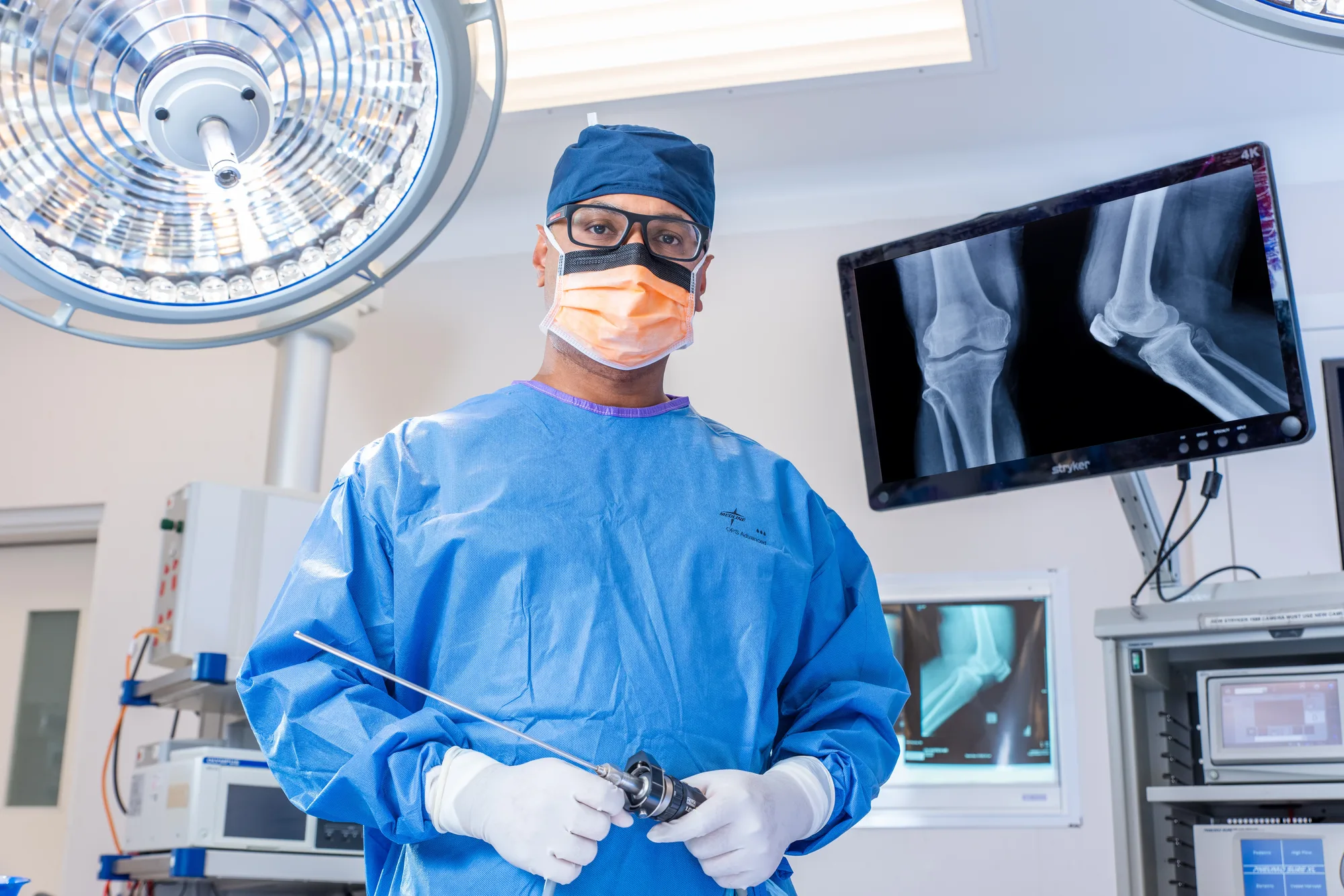
Revision & Reconstruction
References
  1. Bourne RB, Chesworth BM, Davis AM, Mahomed NN, Charron KDJ. Patient satisfaction after total knee arthroplasty: who is satisfied and who is not? Clinical Orthopaedics and Related Research. 2010;468(1):57–63.
  2. Australian Orthopaedic Association National Joint Replacement Registry (AOANJRR). Hip, Knee & Shoulder Arthroplasty: 2024 Annual Report. Adelaide: AOA; 2024. aoanjrr.sahmri.com

Ask whether kinematic alignment is right for your knee.

A GP referral helps but is not required to enquire. Dr Yas\u2019 rooms respond within one business day.

08 7081 4100
ORTHOPRECISION
08 7081 4100 Ashford · Elizabeth Vale · North Adelaide
Privacy PolicyWebsite TermsNews & ArticlesFax 08 7078 7744 · admin@dryasediri.com.au

Dr Yas Edirisinghe — specialist orthopaedic surgeon. FRACS, FAOrthA, MSurg. AHPRA registration MED0001219741.

This page provides general information about orthopaedic surgery and is not medical advice. All surgery carries risks, and outcomes vary between individuals. Any decision to proceed is made with your surgeon after an individual assessment. A GP referral is recommended for a specialist appointment.

© 2026 Ortho Precision · Adelaide, South Australia

Call now
Every patient fits one of four pathways01·02·03·04Find yours