

Younger and active adults with knee pain are often told to wait until they are "old enough" for a replacement. That advice overlooks a range of joint-preserving options that can restore mobility, function and quality of life now — and protect your own knee for the future. This page explains those options and who they may suit.
Why "just wait" is not the only answer
Younger patients are often asked to wait because of a worry that a replacement will not last a lifetime. But waiting in pain has its own costs — to your fitness, your work and your quality of life.
The more useful question is not "replacement or nothing", but "what is the right step for your knee, now?" For many younger people, that step preserves their own joint.
The lifespan worry, revisited
Yes, it was long thought that a knee replacement had a limited lifespan. But that idea was modelled on older data and older implants. Today’s implants and techniques are different, and they are expected to last considerably longer than those earlier figures suggested.
Just as importantly, if a replacement ever does need attention down the track, that is no longer the daunting prospect it once was — modern technology has changed what is possible (more on this below).
Joint-preserving options
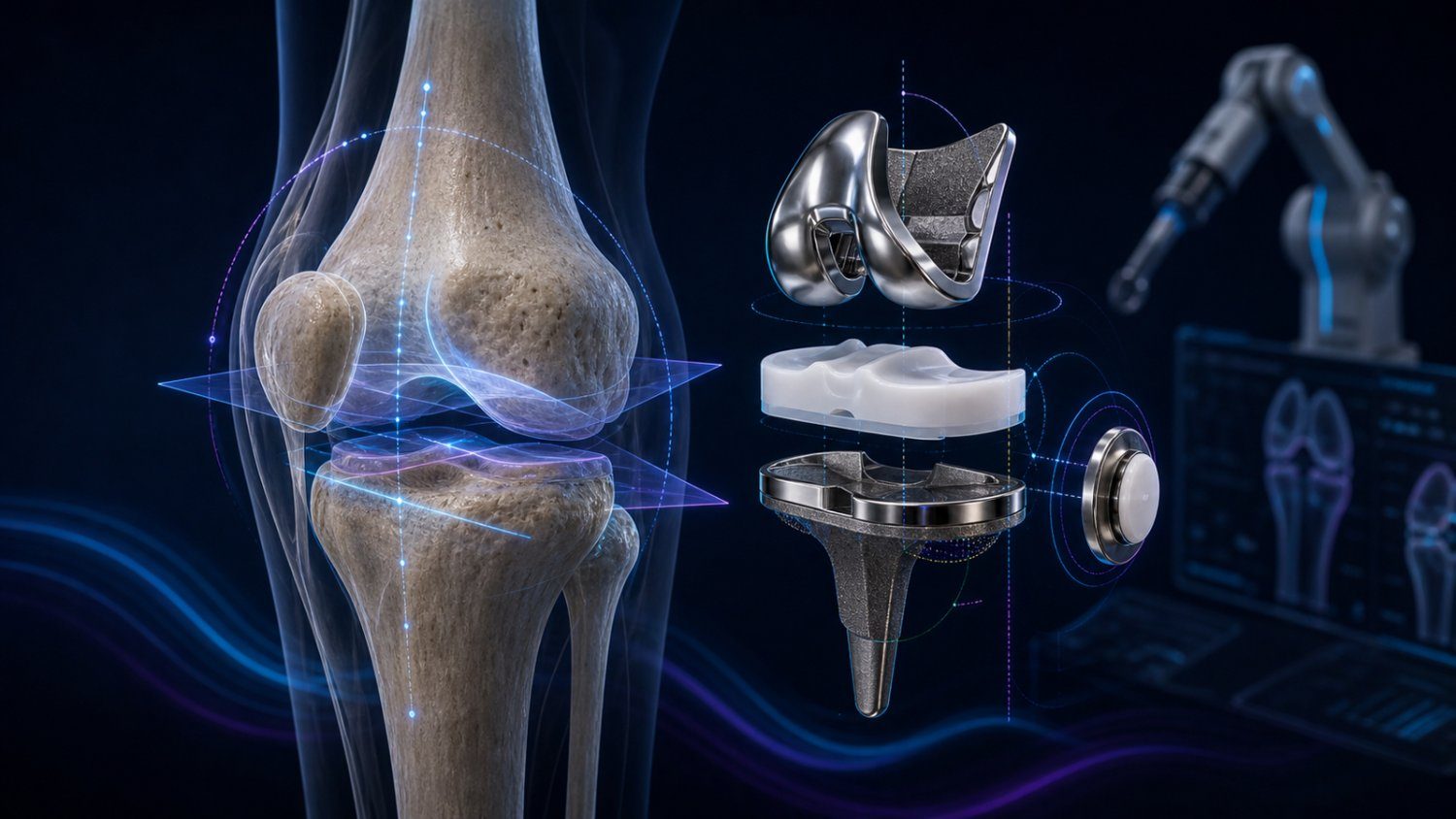
When only one part of the knee is worn, a partial replacement placed in a bespoke way can relieve pain while keeping the healthy parts of your knee — including your own ligaments.
Other approaches, such as realignment to take load off the worn area, may suit particular knees. The aim is to restore function now while protecting your options for the future.
If a replacement is ever needed again
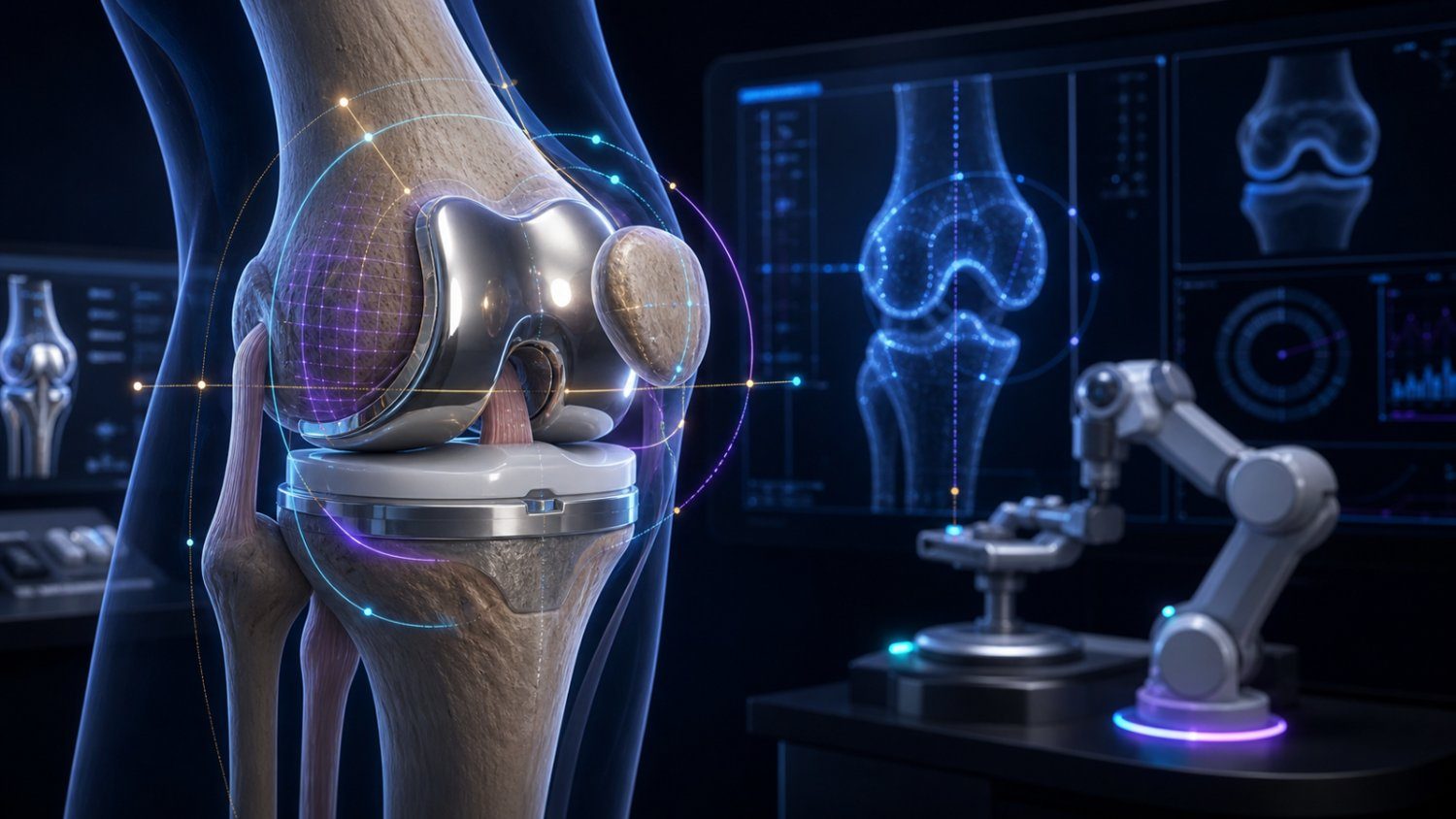
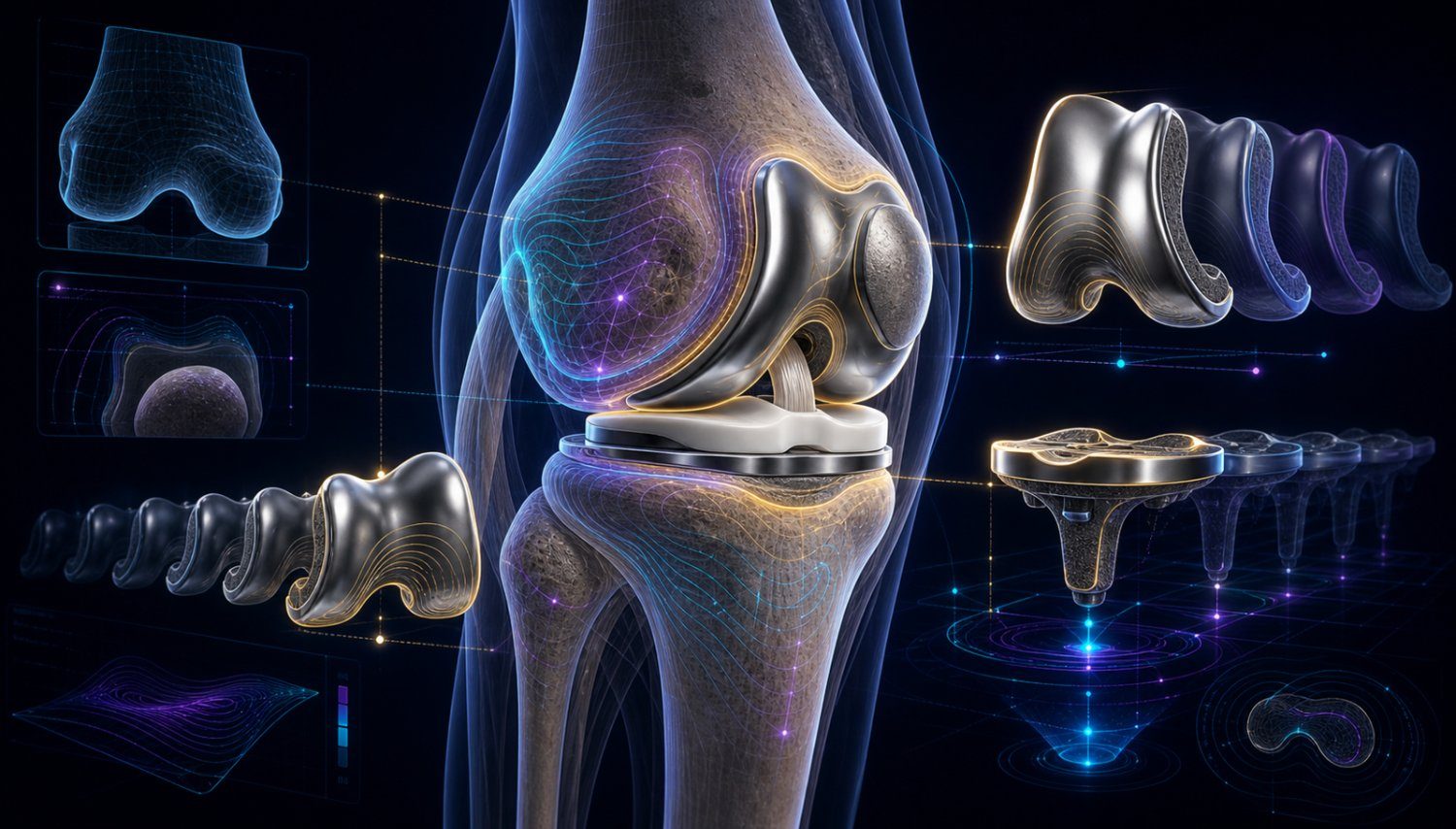
A big reason waiting is less necessary than it used to be is that revising a knee replacement — redoing it later — has become a far simpler and more reliable task. New technology such as robotic knee surgery, kinematic alignment techniques, and the principle of “bone preservation” (keeping as much of your own bone as possible the first time) all make any future surgery more straightforward, with excellent results.
In other words, choosing to treat your knee now does not back you into a corner later. Preserving your bone and using precise, personalised techniques keeps your future options open.
Who is a candidate
Whether a joint-preserving approach suits you depends on where the wear is, your alignment, your activities and your goals. Dr Yas assesses each person individually and will be honest about whether preservation, or a personalised replacement, is the better step for you.
Key takeaways
Common questions
Request a consultation
Send a few details and the rooms will be in touch within one business day.
Request a consultation
Send a few details and the rooms will respond. A GP referral helps but is not required to enquire.
"*" indicates required fields
More on knee conditions & treatments
Explore the four pillars
Want surgery designed for your anatomy, not the average?
Joint-preserving partial replacement where suitable, personalised total replacement with kinematic alignment and robotic precision, and direct anterior hip surgery — matched to your joint, not a standard mould.
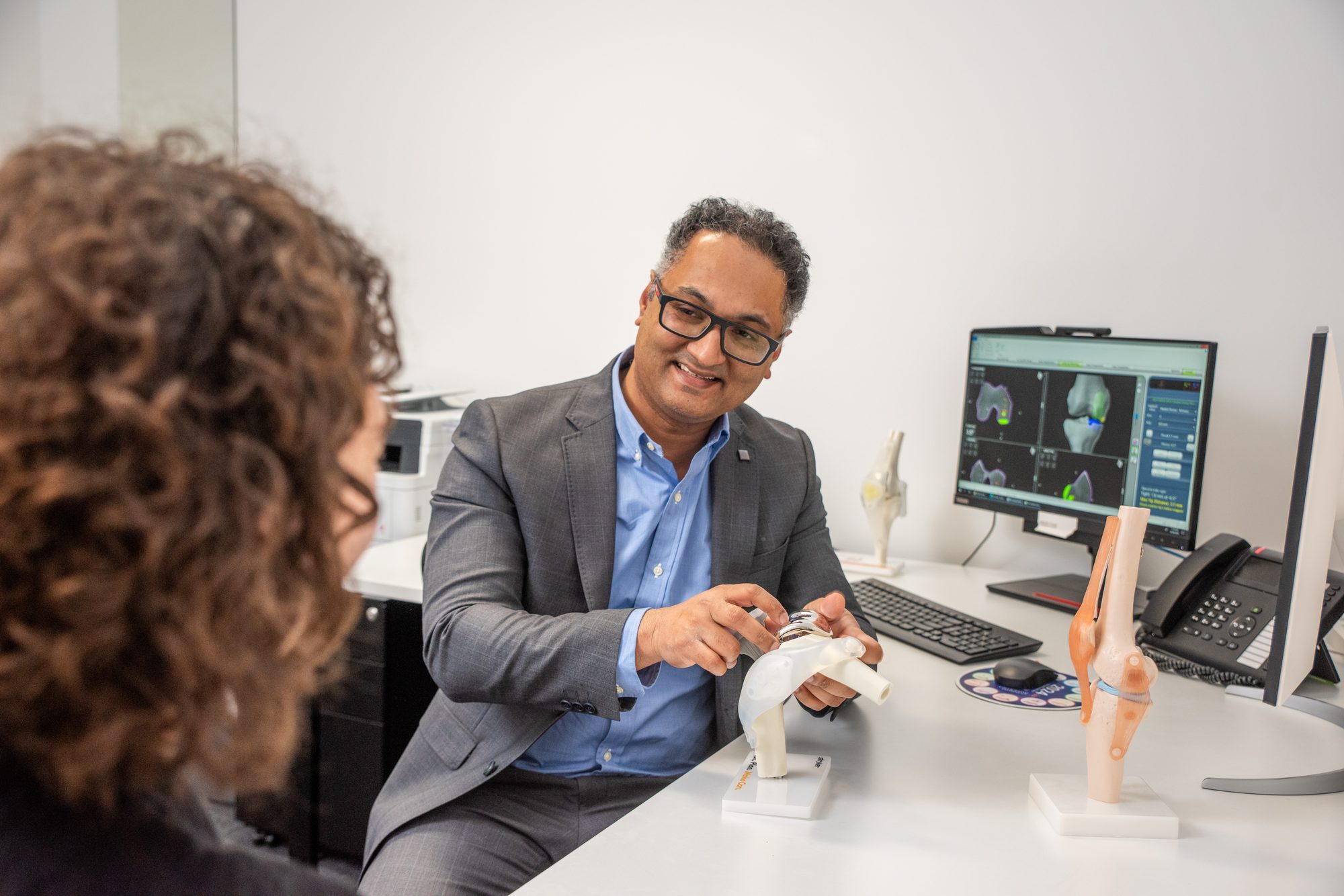
Had a replacement that still doesn’t feel right?
When a replacement hasn’t worked out there is often a specific reason — and a specific solution. An independent review: examination, imaging reviewed, and a written summary of your options.
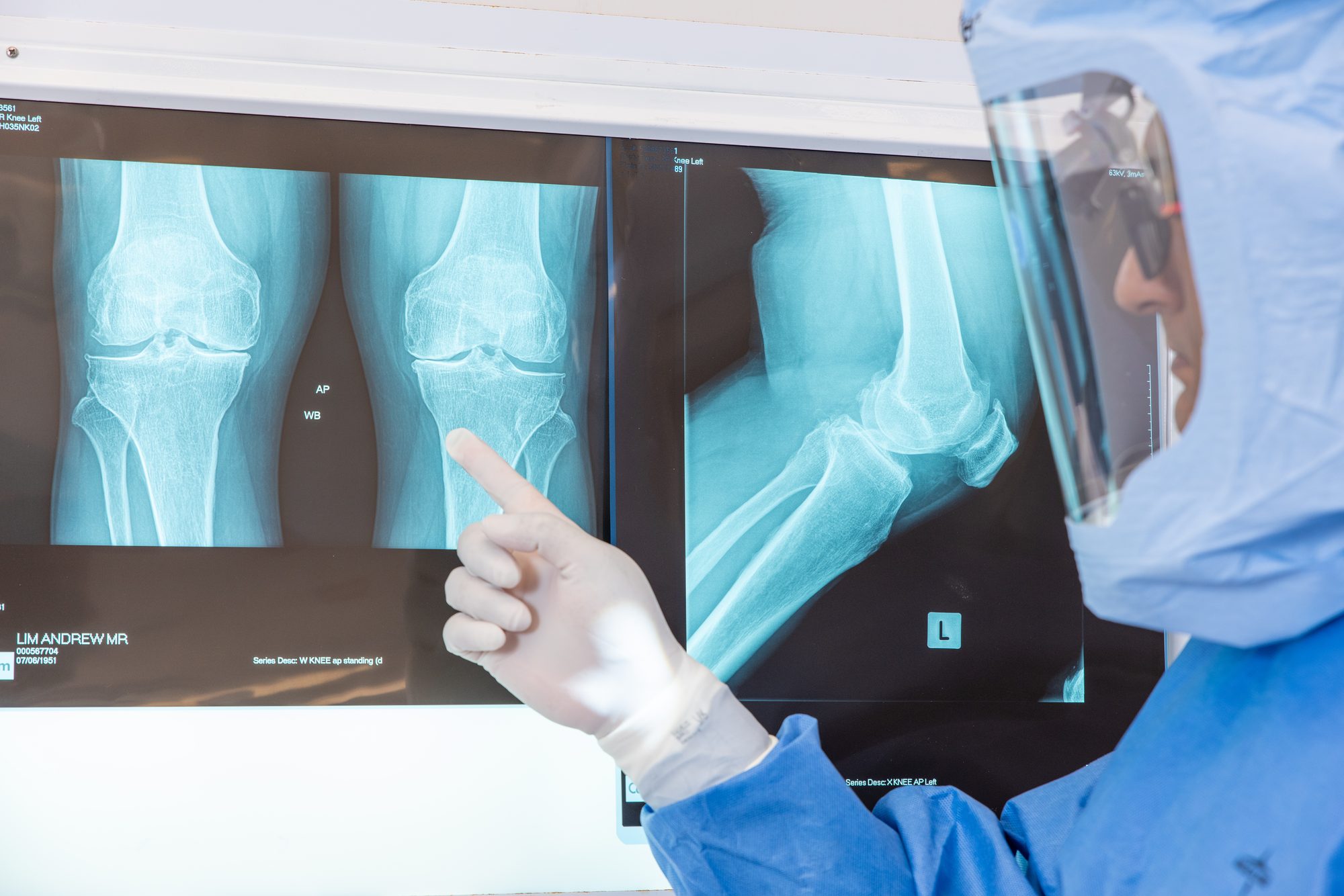
Been told you’re too young, too heavy, or to just wait?
Dr Yas reviews each patient case by case and recommends the operation that fits the joint — not the other way around. Higher-BMI patients considered on their individual merits, not declined on weight alone.
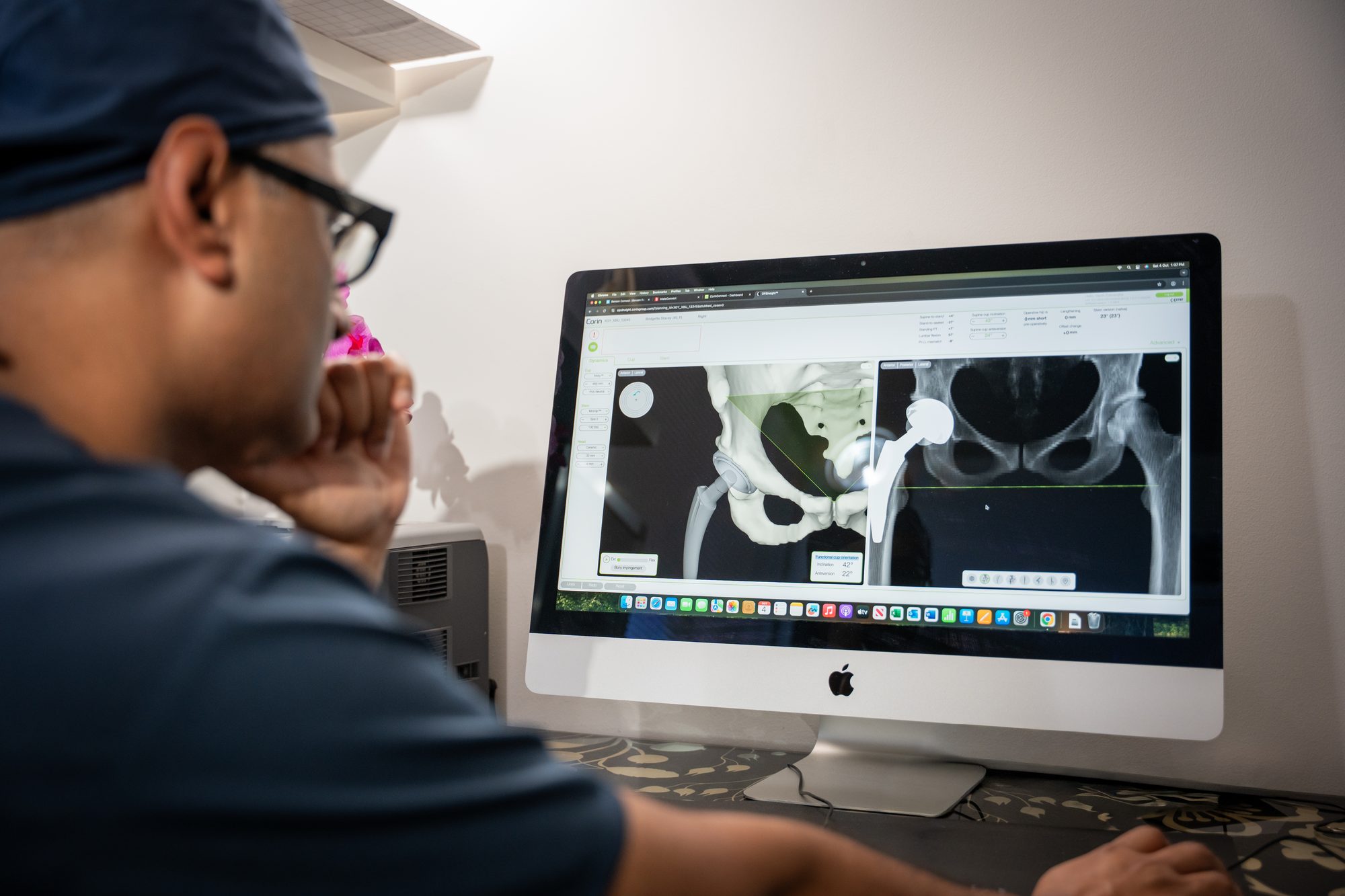
Been told nothing more can be done?
Specialist revision hip & knee surgery, partial-to-total conversion with modern bone-preserving technique, and complex reconstruction after trauma — including limb-preserving surgery — considered case-by-case.
Latest insights from Dr Yas
Plain-language articles on modern hip & knee surgery — written to help you make an informed decision.